
Garage Results guide library
Garage Weatherproofing & Comfort Guides
Diagnose drafts, water entry, temperature swings, and storage conditions before buying materials. Start with the path the air or water is taking, then match insulation and finishing work to the garage you actually use.
Diagnose before buying materials. Insulation slows heat transfer, but it does not stop rain, moving air, pests, or moisture entering through failed seals and drainage problems. Correct the source in the right order.
Diagnose the symptom first
Several garage problems feel like “poor insulation” even when insulation is not the first repair. Use the location and timing of the symptom to choose a starting point.
Use the correct project order
- Stop bulk water.
Correct active leaks and exterior drainage. - Seal uncontrolled air.
Repair perimeter and bottom gaps. - Add insulation.
Choose a system that fits the door and space. - Manage moisture.
Preserve required ventilation and promote drying. - Condition only as needed.
Match heating or cooling to actual use.
This sequence avoids covering an unresolved leak or expecting insulation to make an unconditioned garage behave like finished living space.
Stop air and water at the garage door
Inspect the closed door from inside in daylight, then separate top-and-side perimeter problems from bottom-retainer, seal, floor, and drainage problems.
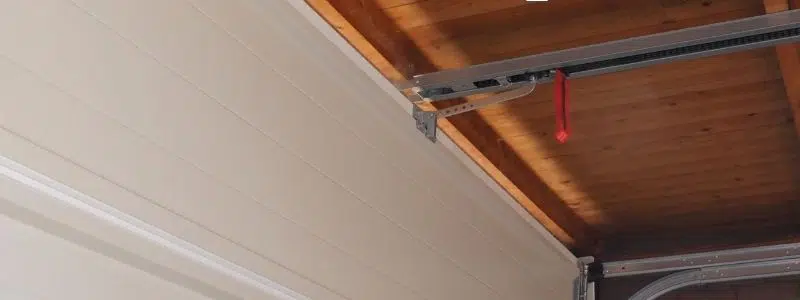
Seal garage-door gaps
Identify leaks at the top, sides, and bottom, then match the repair to the door position, perimeter stop, retainer, seal profile, or floor threshold.
Diagnose the gap → Water diagnosis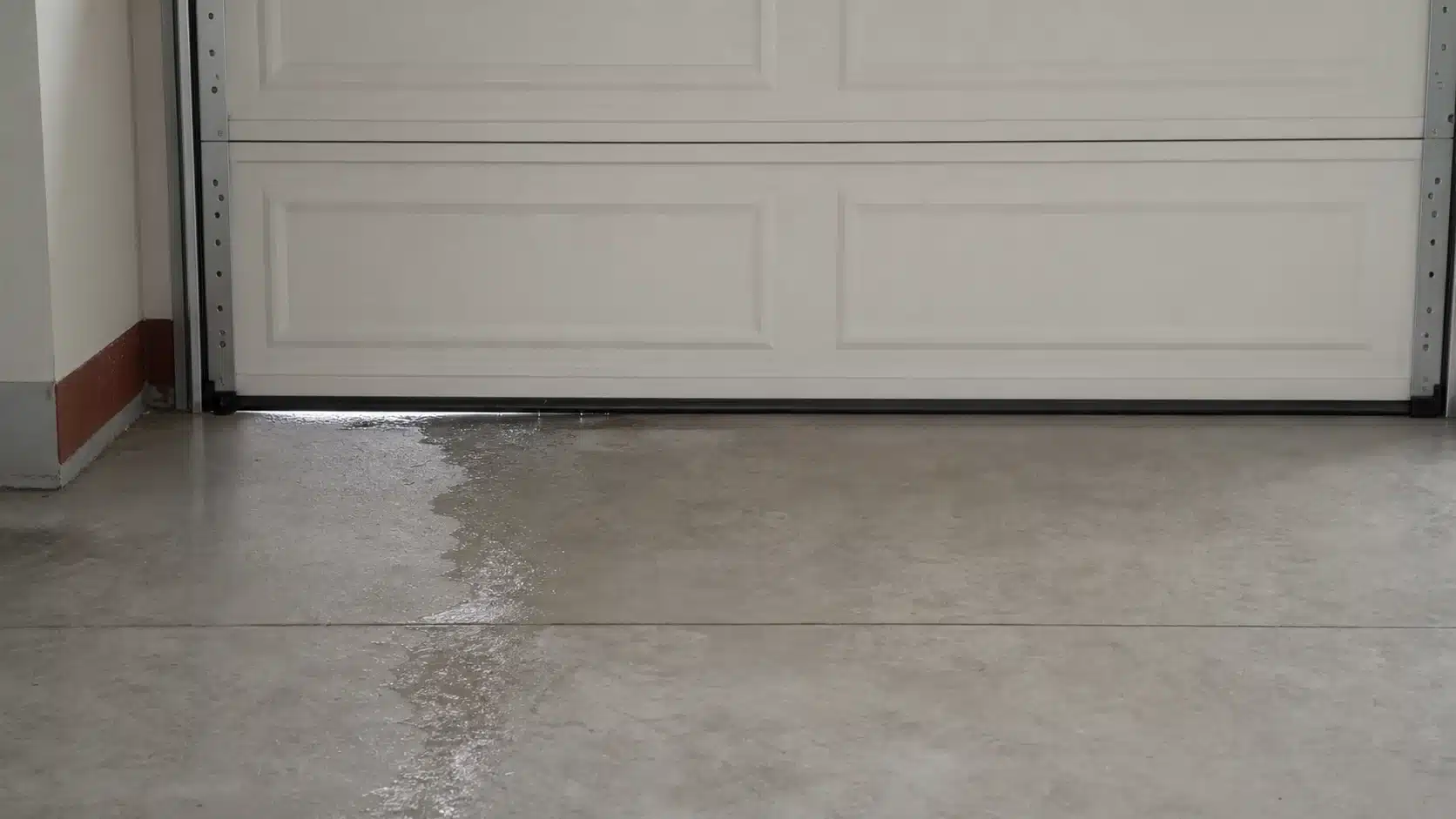
Water coming under the garage door?
Trace the first wet point, then separate a worn bottom seal or threshold from slab slope, runoff, and drainage problems before choosing a repair.
Find the source → Bottom-seal buying guide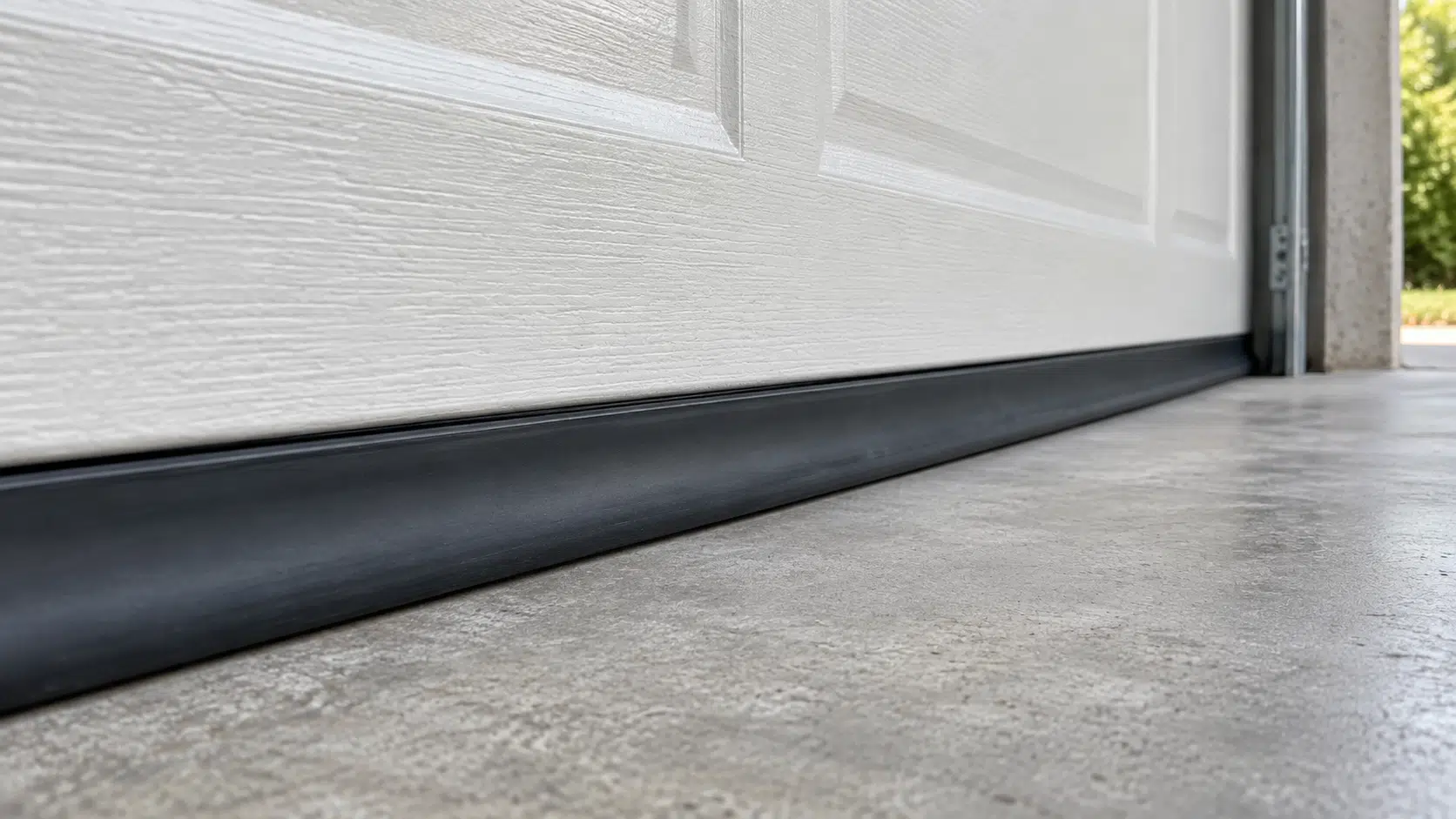
Choose the right garage-door bottom seal
Identify T-end, bead, or P-bulb connections, measure the retainer, and compare compatible inserts or a complete retrofit before buying.
Compare compatible seals → Door planning
Plan windows and door style
Compare window placement and door designs when daylight, privacy, solar gain, appearance, and future door replacement are part of the project.
Compare door-window layouts →Control temperature more effectively
The garage door is a large exterior surface, but insulation works best after drafts are controlled and only when added weight and clearances remain appropriate for the door.
Before choosing an insulation kit or cut-to-fit material, measure every panel rather than assuming they are identical. Check available depth, hinges, reinforcement, locks, handles, tracks, and the door manufacturer's instructions. Added material must remain secure through repeated door movement and must not interfere with hardware.
Expectations matter too. An insulated door can reduce heat flow through the door surface, but comfort still depends on exterior walls, ceiling, windows, air leakage, sun exposure, concrete, and whether the garage is actively conditioned. An attached garage used as a workshop has a different target than a detached garage used only for parking.
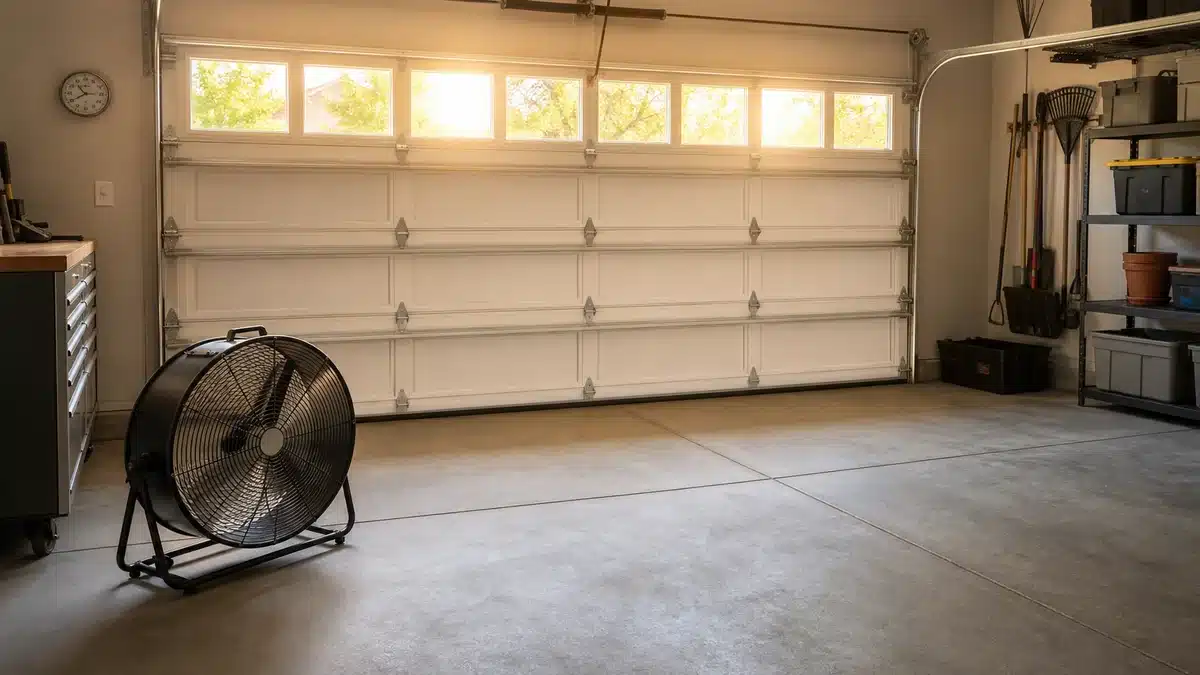
Keep a garage cooler in summer
Reduce solar gain, move hot air at the right time, and cool occupied work areas without wasting energy on the entire garage.
Plan a cooler garage → DIY insulation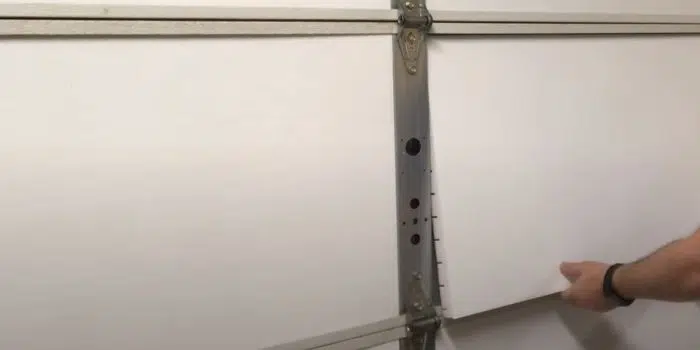
Insulate a garage door affordably
Measure each panel, compare practical insulation types, control added weight, and keep hinges, tracks, locks, and reinforcement unobstructed.
Plan the insulation project →Do not block intentional ventilation
Weatherproofing means controlling unwanted air and water, not sealing every opening indiscriminately. Do not cover combustion-air openings, required vents, appliance clearances, exhaust paths, or openings required by the building design. If the garage contains fuel-burning equipment or you cannot identify a vent, consult the appliance instructions and a qualified professional before sealing around it.
Protect items from garage conditions
Weatherproofing decisions also affect belongings. Tires and clothing have different enemies, so storage method matters as much as the room temperature.
Before deciding that the garage is suitable, observe it through a wet period and a hot or cold spell. Look for condensation, water at the slab edge, direct sun, pest evidence, vehicle fumes, and heat-producing or ozone-generating equipment. Use shelves or racks to keep vulnerable containers away from concrete and from paths where snow or rainwater drains off a vehicle.
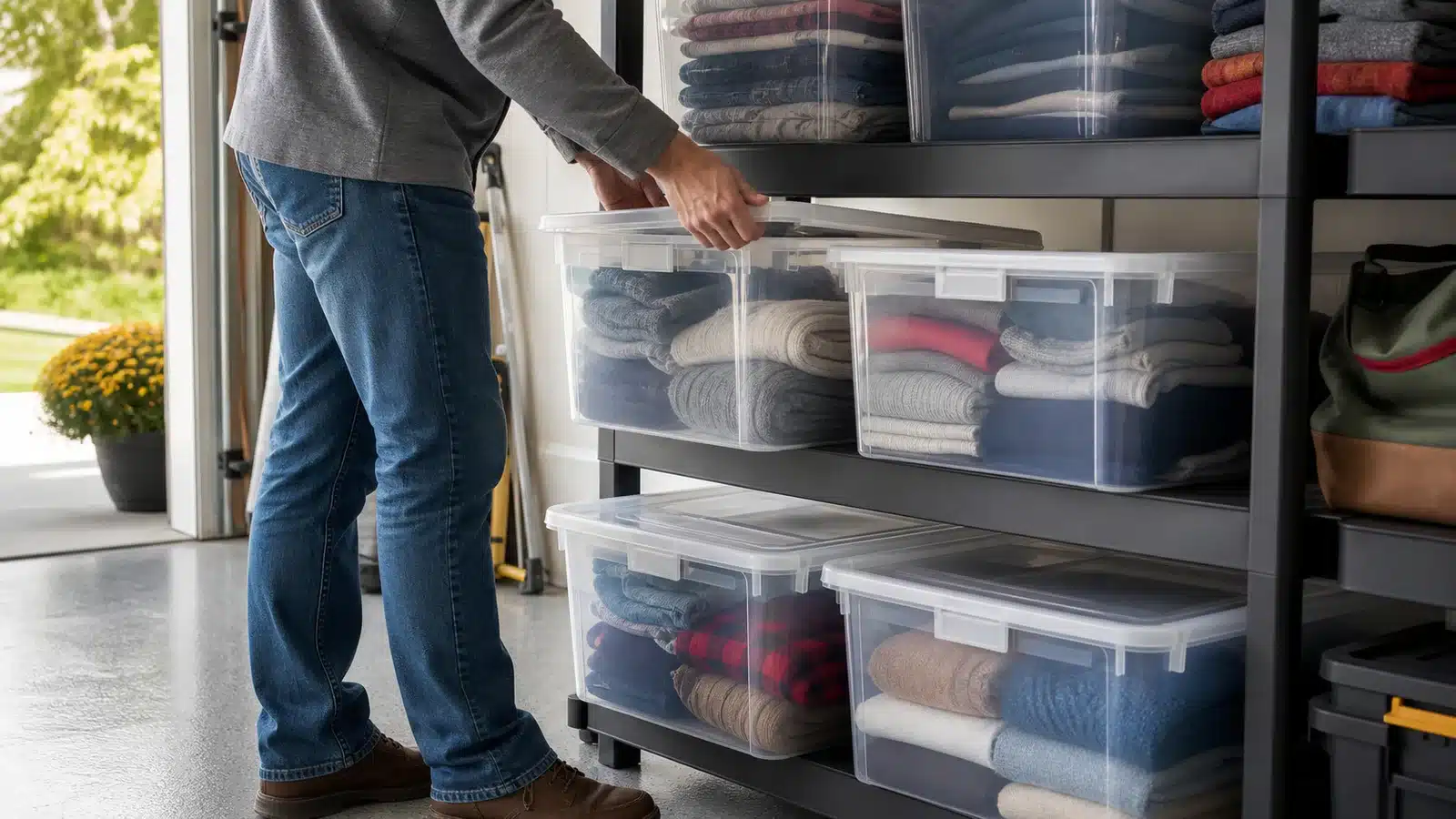
Store clothes in a garage
Decide whether the space is suitable, then reduce moisture, pests, contamination, and temperature exposure with cleaner containers and placement.
Protect stored clothing → Temperature-aware storage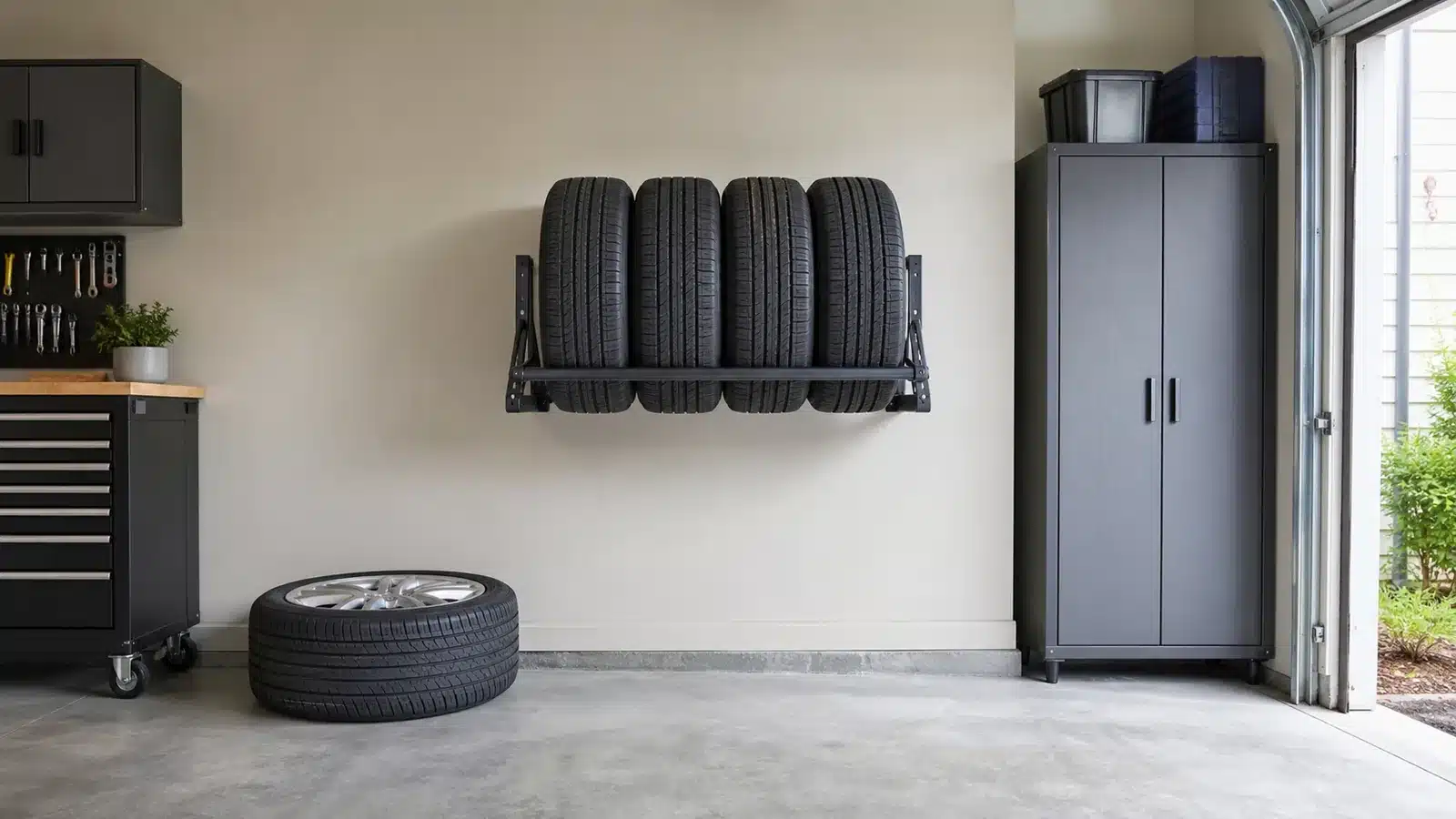
Store tires correctly
Keep tires clean, dry, cool, protected from sunlight and ozone sources, and positioned correctly for mounted or unmounted storage.
Choose the right tire setup →A practical spring-and-fall inspection
A short inspection before the wettest and most temperature-extreme seasons can catch small failures before they damage stored items or finishes.